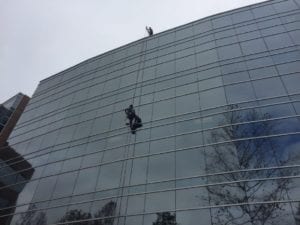

Budgeting for Your Building: The Value of Routine Window Cleaning

Clean windows reflect your property’s level of care and professionalism and contribute to its overall functionality. It’s also a proactive maintenance item that some may consider deferring in efforts to save a quick buck. However, if you neglect your property’s glass, you could be setting yourself up for unexpected expenses and operational challenges. Explore this article for our budget guide for commercial window cleaning to help ensure your building maintains an excellent appearance and optimal functionality.

Sparkle and Shine: The Value of Window Cleaning

Aesthetics are a significant motivator for clean windows. Clean windows do more than just look good — they elevate your building’s professional image and create a welcoming atmosphere for tenants and visitors. Also, when your windows are spotless, natural light floods in, brightening the interior. The benefits of natural light have proven to improve employee engagement and productivity. 

We expect to see clean windows, so it makes a lasting impact when we don’t. However, there are other motivating factors for regularly cleaning windows. Glass that is routinely cleaned is less likely to degrade, which means you’ll extend the life of your windows and push back the need for expensive glass restorations or replacements.

  1. Avoid Costly Restorations: Over time, dirt and grime can etch into the glass, causing permanent damage that requires restoration or complete replacement.
  2. Enhance Energy Efficiency: Dirty windows reduce the amount of natural light entering the building, which can increase reliance on artificial lighting and heating, driving up energy costs. Clean windows help maintain optimal energy efficiency by maximizing sunlight.
  3. Improve Tenant Satisfaction: Tenants notice the difference clean windows make and will complain if they are not kept in good condition. A well-maintained exterior enhances tenant satisfaction, which in turn reduces turnover rates. Happy tenants are more likely to renew leases, saving you the costs of finding new occupants. Similarly, dirty windows will deter potential new tenants.

Another advantage of regular window cleaning is having a set of eyes in the sky and areas not often frequented to spot issues like worn-out sealants. In addition to having the industry’s most comprehensive approach to risk management, our teams can provide a detailed post-job report. With this information, you can work these identified items into your budget to address problems while they are small and manageable.   

Essential Elements for a Window Cleaning Budget

If you take care of your windows, they will take care of you. If cared for properly, windows should last decades and deliver a solid return on investment. Cleaning and inspecting the glass, along with components that keep moisture out, are critical to extending the lifespan of your windows.

  1. Follow a Regular Cleaning Schedule: Depending on your building’s location and use, plan for cleanings 2-4 times per year to keep your windows in top shape and avoid the need for a more expensive deep cleaning service.
  2. Seasonal Considerations: Winter’s grime or spring’s pollen can quickly cloud your windows. Allocate your window cleaning budget accordingly, ensuring funds are available for more frequent cleanings during peak seasons.
  3. High-Rise Challenges: For high-rise buildings, maintaining spotless windows is a complex task that requires specialized equipment and trained personnel. To avoid costly fines and keep workers safe, budget for anchor point annual inspections and certifications every ten years and safe building facade access.  
  4. Emergency Cleanings: Unexpected messes, from graffiti to bird waste, can necessitate immediate window cleaning. Cleaning windows before holiday parties, preparing for sale, or wowing potential tenants makes a statement. That’s why it’s wise to allocate emergency funds.

Following these four steps is a great way to smooth out your annual budget and allocate the proper funds to keep your windows performing their best, looking their best, and not showing their actual age. 

Awnclean’s Aesthetic Solutions to Maximize Your Budget

Proactive maintenance planning goes beyond just cleaning the windows. By identifying high-impact services now, including often overlooked aesthetic improvements, you can prioritize them in your upcoming annual budget. This forward-looking approach helps you protect your building’s integrity, maintain tenant satisfaction, and manage costs effectively by addressing pressing needs, deferring lower-priority tasks, and adjusting maintenance frequencies with intention.

  1. Pressure Washing: Pressure washing enhances curb appeal, removes pollutants, improves safety, and makes your property more attractive to potential tenants or buyers. It’s alos a vital step before special events.
  2. Glass Stain Removal: First-floor windows and entranceways are more prone to staining from pollution and hard water. Consider a glass restoration on targeted areas of your building where it matters most, and improve aesthetics without breaking the budget.
  3. Metal Cleaning: Over time, metal surfaces can become scratched and tarnished. Awnclean’s metal maintenance services can restore the shine to window frames and mullions, extending their lifespan and saving you from costly replacements.

Focusing on these solutions will set the stage for a more visually appealing and financially stable year ahead

Secure Long-Term Value with Awnclean’s Aesthetic Expertise

At Awnclean, we can help you optimize your maintenance budget with our wide range of building services. Plan ahead by allocating your upcoming annual budget wisely. Investing in regular window cleaning and aesthetic maintenance helps preserve your building’s value and prevent costly issues down the line. Contact us today for help building a proactive budget that supports long-term property performance and visual appeal.


The Property Manager’s Guide to Exterior Maintenance Cleaning: Windows, Façades, Roofs, and More

Your building’s exterior is the first thing tenants, visitors, and clients notice — making upkeep essential. Studies have shown that most consumers will avoid a business if the exterior is unappealing. From façades and metal frames to signage, sidewalks, parking garages, and rooftops, every element plays a role in aesthetics, safety, and structural integrity. Regular cleaning prevents deterioration, enhances efficiency, and reduces costly repairs. This guide breaks down how often each area should be maintained, helping you extend your property’s lifespan while preserving its value and curb appeal.

For Routine Property Maintenance, Windows Are Just the Beginning

Protecting your building goes beyond clean windows. Regularly cleaning your windows enhances curb appeal, extends glass lifespan, and prevents costly restoration. But façades, metal frames, signage, sidewalks, parking garages, and rooftops also need routine maintenance to preserve aesthetics, safety, and structural integrity — keeping your property attractive and welcoming for tenants and visitors.

Exterior Commercial Window Cleaning 

Regular exterior maintenance is the difference between a well-maintained property and one that looks neglected. Your window cleaning schedule needs to include window cleaning three to four times per year (more in high-pollution, humid, or dusty areas) to prevent staining that leads to costly restoration. Clean windows don’t just look good — they boost tenant satisfaction and energy efficiency. Beyond windows, maintaining façades, metal frames, signage, sidewalks, parking garages, and rooftops protects your building’s value and longevity.

Glass Restoration and Stain Removal

Stubborn stains on your building’s glass aren’t just an eyesore — they’re a ticking time bomb. Mineral deposits from hard water can etch into the surface, leading to costly replacements. Window glass replacement costs for commercial buildings vary anywhere from $200 to $3,000 — per window without labor. Glass restoration effectively removes tough stains before they cause lasting harm. Addressing stains early keeps your glass pristine, extends its lifespan, and avoids expensive restoration down the line.

More Than Just Glass Maintaining Your Building’s Exterior

Windows may be the eyes of your building, but the façade tells the full story. Façades, metal frames, and signage face constant exposure to weather, pollutants, and wear— leading to costly deterioration if ignored. Strategic exterior maintenance preserves structural integrity, prevents long-term damage, and upholds your building’s professional image. 

Façade Cleaning

Regularly pressure washing your façade every three to five years is recommended to prevent dirt buildup, mold growth, and long-term staining that can degrade exterior surfaces. But cleaning alone isn’t enough. Applying protective sealants post-wash helps prevent water intrusion, UV damage, and premature material failure. However, improper cleaning methods can cause costly damage, from etching stone to stripping protective coatings. Professional maintenance ensures safe, effective results — safeguarding both your property’s longevity and your bottom line.

Metal Frames and Mullions

Oxidation and corrosion weaken window supports over time, creating openings for water infiltration that lead to costly structural damage. Left unchecked, this deterioration threatens both aesthetics and safety. The solution? A proactive approach to metal cleaning. Cleaning metal frames three to four times per year — alongside routine window cleaning — removes corrosive buildup before it spreads. Polishing and sealing metal surfaces not only restore their appearance but also improve durability. Exterior maintenance goes beyond aesthetics — it’s an investment in your building’s longevity.

Recommended Property Cleaning Frequency by Area

Here are five critical zones every maintenance plan should cover to protect your property and investment.

1. Signage The Face of Your Building

Your building’s exterior speaks volumes about your brand — don’t let dirty or faded signage undermine its impact. Over time, grime, pollution, and bird droppings reduce visibility and create a neglected appearance. Regular professional cleaning, at least once per year (or more frequently in high-traffic areas), ensures a polished look that reinforces credibility. In addition, implementing bird-proofing measures minimizes buildup, reducing the frequency of necessary cleanings and long-term maintenance costs. Investing in exterior signage upkeep enhances aesthetics while upholding your brand’s reputation.

2. Sidewalks, Stairs, and Patios High-Traffic Hazards

Mold, mildew, and salt buildup don’t just stain surfaces — they create slip hazards and weaken concrete. Annual pressure washing removes harmful contaminants, while humid climates may require monthly treatments. Proactive maintenance keeps properties safe, compliant, and looking their best year-round.

3. Parking Garages The First Impression for Many Visitors

Parking structures accumulate oil, grime, and litter, creating slip hazards, damaging surfaces, and inviting vandalism. Regular sweeping and pressure washing — one to two times a year — removes buildup, improves safety, and reveals early signs of structural issues, preventing costly repairs. Parking garage cleaning is essential to your building’s proactive maintenance strategy.

4. Loading Docks and Trash Enclosures Often Ignored But Critical

Grease, grime, and waste don’t just create eyesores — they invite pests, odors, and long-term damage to your property. Routine deep cleaning twice per year with professional degreasers and pressure washing removes hazardous buildup, while protective coatings help prevent stains and slick surfaces. 

5. Rooftop Cleaning Protecting Your Building from the Top Down

A dirty TPO or white roof can cost you. Dirt on white roofs means that sunlight doesn’t bounce off the roof as effectively, thus making it less energy efficient in the hotter months. Annual cleanings restore reflectivity, reduce cooling costs, prevent slip hazards, and extend your roof’s lifespan. When done right, smart maintenance pays off in the long run.

Building Window Cleaning Helps Prevent Costly Repairs

Maintaining your building’s exterior goes beyond sparkling windows — it’s essential for preventing costly damage and preserving property value. Small cracks become major repairs, dirt accelerates wear, and neglect lowers appeal. Routine maintenance protects your investment, keeps tenants happy, and extends the lifespan of your building. Prevention always costs less than repair.

Our Building Envelope Maintenance Assessment helps property managers plan and budget effectively, preventing costly repairs down the line. Protect your building with a proactive strategy designed for long-term performance. Contact us today to create a custom maintenance plan that keeps your building in top shape.


Ongoing Safety Training at Awnclean

In ongoing safety training sessions, Awnclean’s entire field and operations teams participate in two hours of monthly training to make sure everyone stays safe on the job.

Even though almost everyone on Awnclean’s team has been doing their job for 10+ years, the ongoing sessions are meant to prevent complacency on the job and to continually get everyone to remind themselves of where they’re at and who’s around them, especially when they’re 80 stories up, hanging off the side of a building.

In the most recent safety training session, led by Dean Detjean from Provinsur, some of the areas covered were:

  • Fall safety
  • Ladders
  • Proper way to wear a harness
  • Safety equipment and proper usage
  • Working on roofs and hanging off sides of building
  • Rescue procedures and planning
  • Team awareness of plan
  • Scissor lift and boom lift safety
  • Working around power lines

Each session ends with an open forum with discussion about concerns and challenges on individual jobs and suggestions for improving safety on the job.

Awnclean’s Operation Manager, Todd Henry, also visits job sites on a regular basis to check on the crews and make sure they’re correctly following all of the safety procedures.